Table of Contents
So to Speak podcast: Banning critical race theory
On today’s episode of So to Speak: The Free Speech Podcast, we are joined by FIRE’s Joe Cohn and the American Enterprise Institute’s Max Eden to debate and discuss legislative efforts to ban critical race theory, or so-called “divisive concepts,” from being taught in schools.
- Podcast transcript
- Virginia Gov. Glenn Youngkin’s executive order on critical race theory
- “Ban Critical Race Theory now” by Max Eden
- “Legislative efforts to address teachings on race pose threats to academic freedom” by Joe Cohn
- “State legislatures continue efforts to restrict academic freedom” by Tyler Coward
- “13 important points in the campus & K-12 ‘critical race theory’ debate” by Greg Lukianoff et al.
You can subscribe and listen to So to Speak: The Free Speech Podcast on Apple Podcasts, Google Podcasts, and Stitcher, or download episodes directly from SoundCloud.
Stay up to date with So to Speak on the show’s Facebook and Twitter pages, and subscribe to the show’s newsletter at sotospeakpodcast.com.
Have questions or ideas for future shows? Email us at sotospeak@thefire.org.
Recent Articles
Get the latest free speech news and analysis from FIRE.
After a congressman challenged a student reporter’s right to record, here’s what journalists should know
Recording conversations in public isn’t surreptitious or against the law — and knowing how to assert your right to record can make your reporting easier
Restoring Title IX kangaroo courts is no solution to the ‘Cornell 7’ sexual assault controversy
The outrage over the sexual assault allegations at Cornell University cannot lead to a return to the old Title IX regulations that cast aside due process.
A UK teen mocked a local politician. Then the police showed up.
The question now won’t just be whether police will come knocking at your door over what you said online, but under what conditions you can speak online in the first place.
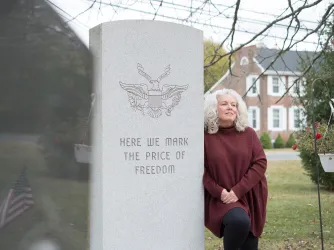
VICTORY: New Jersey drops complaint against school board member targeted for asking constituents about taxes
A New Jersey agency that investigated a grandmother serving on her township’s school board for asking her constituents questions on social media has backed down after legal pressure from FIRE.