Table of Contents
UK teen social media ban is anonymity-killer for adults
Samuel Boivin / Shutterstock.com
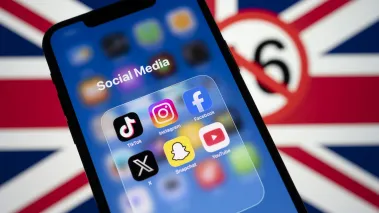
The United Kingdom is unveiling a grand new policy it claims will protect children on social media platforms like TikTok, YouTube, Facebook and X. The exact rules governing the ban will be released before its launch next year, but it will use age verification tools to restrict youth access to social media and other programs.
But this new “under-16” policy, like many others before it, is a misnomer. Because whether you’re 15 or 55, it will affect people regardless of age — and drain away all UK citizens’ ability to speak freely and anonymously online.
FIRE’s readers will not be surprised to learn that the UK is once again treading censorial ground. As we’ve covered recently, the UK has banned controversial speakers from entering the country, targeted blasphemy, investigated and arrested thousands for internet speech or peaceful protest, and rolled out messy regulations targeting so-called “harmful” online content.
Nor is it surprising that the UK is unveiling its own regulations covering teen social media use. The campaign to keep kids off social media has hit Europe, Asia, and the United States, while the UK has been promising its own version for months. This is a global challenge, not one isolated by country or region. It also has deep ramifications for everyone’s ability to speak anonymously — and perhaps avoid state repression — online. Earlier this year German Chancellor Friedrich Merz said he wants “to see real names on the internet.” Shortly after, the Turkish government openly announced its plan to end online anonymity.
Supporters of under-16 bans argue that they are necessary to protect children, regardless of the privacy and free speech threats they pose to adults who would need to verify their age and perhaps identity to use basic communicative tools online. But this assumes the bans even do what they say they do when enacted. Australia’s landmark social media ban, lauded for setting the tone globally, isn’t doing what it promised — and that’s shown in the government’s own research. A recent eSafety report found that among parents with kids on social media before last December, about 7 in 10 said their child still had a Facebook (63.6%), Instagram (69.1%), Snapchat (69.4%), and TikTok (69.3%) account.
UK Prime Minister Keir Starmer admits the Australian model hasn’t actually delivered. He has stated that the UK will “learn the lessons from Australia’s experience by introducing more highly effective age assurance” and “make it far harder for children to bypass safeguards.” That’s why Starmer is calling his version “Australia-plus.”: because if at first you don’t succeed, just censor even harder.
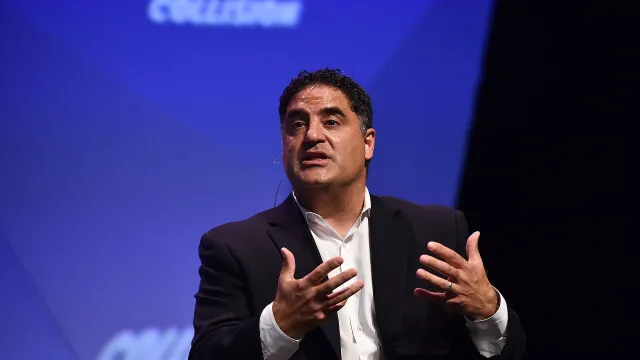
Cenk Uygur and Hasan Piker banned as the UK’s free speech backslide continues
The United Kingdom barred Cenk Uygur and Hasan Piker from entering the country. If the goal was silence, it may have achieved the opposite.
Soon the UK government will release “different options for effective forms of age assurance for proving whether someone is over 16 that are accurate, robust, reliable, and fair.” What that means is that adult users need to prove their age — likely cutting away vital firewalls between their anonymity and their identity — to post on social media. Given the UK government’s shocking comfort with targeting social media users — thousands annually — with police action for tweets perceived as offensive or harmful, it’s obvious why this burdens UK citizens’ already flailing free speech rights.
That doesn’t sound like a policy just affecting young people, does it? The UK’s new policy will also affect older teens too, with a curfew affecting 16 and 17 year olds, and limit younger teens’ access to live streaming and other services.
“This is a choice about whose side we’re on: families across the country, or a status quo that isn’t working,” Starmer said of the new policy. Governments often claim noble reasons when putting limits on their citizens’ ability to speak freely and anonymously, and nothing sounds more noble than “protect the children.” But we don’t need to pit our speech rights against youth safety when instead we can work to help parents individually make the right choices for their families — and we will come to regret this era of complacency as the internet becomes a lot less free.
Recent Articles
Get the latest free speech news and analysis from FIRE.
After a congressman challenged a student reporter’s right to record, here’s what journalists should know
Restoring Title IX kangaroo courts is no solution to the ‘Cornell 7’ sexual assault controversy
A UK teen mocked a local politician. Then the police showed up.