Table of Contents
In defense of anonymity, the guard dog of free expression
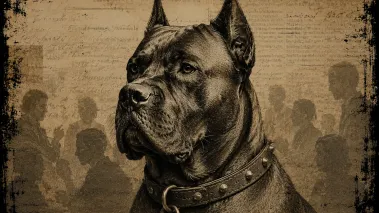
Image created using ChatGPT
Among social media commenters, columnists, and even heads of state, it’s a typical refrain: If we just rid ourselves of that pesky internet anonymity and pseudonymity, we will have a cleaner, better, happier world. Anonymity, the common sentiment goes, is the weapon of the evil and the cruel.
Despite some prevalent misconceptions, anonymity is not an invention of social media, email, or the internet age. The American founding fathers, for example, took great advantage of pseudonymous and anonymous expression, as have denizens of Rome for hundreds of years on the city’s “talking statues.”
Opposition to anonymity is not new either — far from it. Nearly 400 years ago the British Parliament sought to attack anonymous speech in the 1643 Printing Ordinance, one of a number of related attacks on the right to free press, to ensure all printers were licensed — and known by name to the Crown. Fast forward a few centuries. In the past year, the Trump administration has attempted to use oversight-free administrative subpoenas to unmask online critics of federal policy.
There are some figures, politicians especially, who advocate an end to anonymity with ill intent and the specific desire to curb public criticism. Look back through history, one week ago or one millennium ago, and you’ll find frequent attempts by the powerful to diminish the right to anonymous speech as a means to attack political speech. The reason is simple: Without the protection anonymity offers, critics may be far less likely to risk the punishment that may accompany challenging power.
The ‘papers, please’ era of the internet will decimate your privacy
Age verification is becoming identity verification. The result won’t be a safer internet — it will be a less private, less free one.
This piece, though, is intended as a reply to good faith advocates who sincerely believe that the information environment and public discourse would markedly improve if we necessitated the use of “real names” online. (Here’s one recent piece, for example, supporting a real names requirement because “much of the worst content is produced by anons.”)
But they are wrong, for two major reasons. First, the notion that anonymity is largely to blame for ugliness online is not particularly well supported. South Korea actually legislated “real names” rules in the early 2000s, with various developments culminating in a 2008 law requiring real names from commenters on sites with 100,000 daily visitors. The results were not what supporters expected. Research found little to no evidence that the requirements made a difference in the amount of cruel and ugly comments posted and “consensus across these studies was that the real name registration policy did not deter wild and unfounded positions from being promoted online.”
Not only that, but South Korean websites became “prime targets for hacking both from in and outside of the country” and “a series of high-profile cyberattacks made it clear that the real-name system was untenable,” including one hack affecting 35 million people — over half of the country’s population. (These are exactly some of the privacy concerns that FIRE has raised about burgeoning age and identity verification schemes internationally and in the U.S., which will also diminish anonymous speech.) Four years later, the Korean Constitutional Court overturned the law on free speech grounds.
“Real name” supporters are wrong for another big reason, too. Anonymity and pseudonymity are not weapons trained upon the vulnerable. Rather, anonymity is the protector of the vulnerable, the shield between them and consequences ranging from embarrassment to social fallout to the worst forms of government oppression.
So who, exactly, is anonymity for?
It’s for a teenage girl who lost her mother when she was young, just got her period for the first time, and is too embarrassed to meet with a school nurse.
It’s for a 45-year-old who hasn’t drunk in years but is realizing that he’s struggling with his sobriety again and needs to talk privately about it.
It’s for a woman coming to terms with the fact that her boyfriend is abusive, and figuring out how to get away from him without his knowledge.
It’s for a Chinese immigrant who wants to speak about the human rights abuses he witnessed at home without his family in Beijing paying the price for his words, or repression following him abroad.
It’s for a factory worker looking for resources about how to report unsafe conditions without losing his job.
It’s for a college freshman who needs to talk about being gay without fearing his family will learn of it before he’s ready to tell them.
It’s for a grandmother who just received a breast cancer diagnosis and wants to discreetly discuss her anxiety about mastectomy.
It’s for a priest dealing with depression who doesn’t know how to manage his feelings of emptiness amidst his duties to his parish.
It’s for anyone who has ever experienced a fear, thought, idea, or emotion that they need to express but aren’t ready to share with colleagues, family, friends, acquaintances, or authority figures.
How does the First Amendment apply to AI?
AI isn’t authorless. Every chatbot reply reflects human choices — and the First Amendment protects both its creation and your access.
We need to abandon the tired conception we have of anonymity — the cheesy 90s-era stereotype of a hacker in a hoodie typing away rapidly in a shadowy room. Anonymity is for anyone who has ever needed the protection offered by a barrier between their ideas and their identity. It’s a guard dog that allows freer communication, truth-seeking, and soul-baring.
A difficult truth we need to accept is that in a free society we cannot just restrict the rights of others based solely on our fears and nightmares. Yes, there are ills that come from online expression and yes, it can disturb us even more when the origin of those ills seems untraceable and murky. Few defenders of anonymity will pretend otherwise.
But our fellow citizens do not owe us an explanation for why they may want to speak anonymously and we are not entitled to know or understand their reasons. To put it bluntly, it isn’t your damn business if someone speaks anonymously because they’re dealing with abuse, a difficult medical diagnosis, government oppression, or no seemingly noble reason at all. They don’t need our permission, and it isn’t owed to us.
Finally, many supporters of a real name requirement should consider that just because they don’t want to be anonymous now does not mean they will always feel that way. People change. The world evolves. Life happens. Politics shift. Perhaps you will get that medical diagnosis, or you will experience addiction, or you will think it safer to express your political views without your name attached. And you might no longer wish to live in the “real name” world you’ve helped to create.
Recent Articles
Get the latest free speech news and analysis from FIRE.
Venezuela is a cautionary tale w/ Jim Epstein and Germania Rodriguez Poleo
Podcast
FIRE sues Los Angeles City Council over policy banning certain words during public comment
It was never just going to be about keeping kids off social media