Table of Contents
Reporting on and Responding to Immigration Issues as Student Journalists
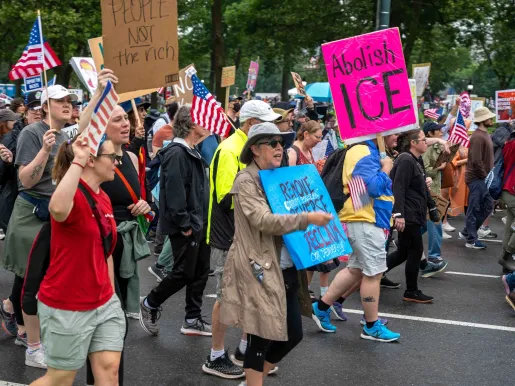
FIRE’s Student Press Freedom Initiative hotline helps student journalists across the country who increasingly find themselves covering federal immigration enforcement.
As the Trump administration ramps up enforcement in cities across the country, student publications face difficult choices between reporting on ICE actions and protests against the agency versus protecting their staff from agency officials’ threats of retaliation and violence from protesters. Worse still, news outlets are grappling with sources’ and contributors’ concerns about their words being used against them by a federal government that has shown a willingness to target students for their speech.
Student Press Freedom Initiative
If you are a student journalist seeking legal resources, call FIRE’s 24-hour Student Press Freedom Initiative hotline at 717-734-SPFI (7734) for help.
Here’s how student journalists can offer this coverage without sacrificing the security of their staff or contributors.
1. Make a plan. When sending reporters to cover protests or other sensitive events, student newsrooms need to prepare their staff ahead of time. Developing a plan before reporters ever go out into the field minimizes the risks inherent in confronting unfamiliar and fraught situations. Your plan should include contact information for newsroom leadership and legal counsel as well as more practical advice, such as bringing snacks, water, and any necessary medications in case you are detained, by law enforcement or otherwise. For particularly volatile protests, such as those in Minnesota during Operation Metro Surge, get more granular with your planning: Know who is involved in the protest and consider bringing protective personal equipment such as goggles or helmets if clashes between law enforcement and protesters are likely.
2. Be prepared to identify yourself as a journalist. On the ground, know your surroundings. In most cases, especially with law enforcement, identifying yourself as a member of the press can help you avoid getting caught up in mass arrests. However, this is no guarantee, as in some situations, hostility from protesters or even law enforcement can make identifying yourself a bigger risk. But remember: journalists have no special privileges to enter places the general public cannot go, even if they are there to report. And just because you say you’re a journalist doesn’t grant you the right to actively participate in unprotected protest, including civil disobedience.
3. Filming federal agents/law enforcement. During recent immigration-related protests, we have seen federal agents retaliate against people for filming their enforcement operations, even driving to the home of one couple that observed agents. You have the right to film ICE officials, the right to inform others about ICE agents’ whereabouts, and the right to criticize ICE policy. Regardless of whether you identify yourself as press, law enforcement cannot legally prevent you from filming their operations or anything else that occurs in a public space, and you have a right to be anywhere the general public can be.
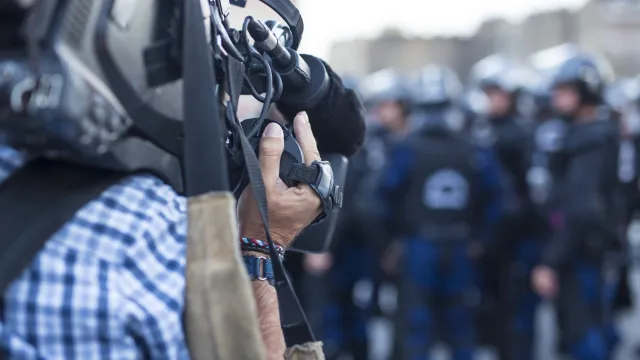
Recording police in public: What you need to know
The First Amendment generally protects your right to take photos or videos of government agents in public spaces, but there are some limits.
4. Follow law enforcement orders. But even if the First Amendment’s protections cover your reporting, it’s important to be situationally aware. Follow police orders, even when you think they are illegal. You can always sue to vindicate your rights, but you can’t un-spend a night in jail. Try to discuss any questionable directives with law enforcement to better understand (and document) their reasoning.
If an officer tells you to stop filming, calmly explain that you’re a member of the press, and keep filming to document the interaction. However, do not resist if an officer physically intervenes to stop your recording. While your right to record is well-established in law, the law provides you means to vindicate those rights in court, not through physical resistance.
If you think an officer’s order was unlawful, call our hotline, (717) 734-7734.
5. Rights of non-citizens. All these rights apply to international students, too. Noncitizen reporters, editors, and sources who are lawfully present in the United States are imbued with First Amendment rights. That means they should be able to speak freely, even on controversial issues. For example, the Ninth Circuit has held that the First Amendment prohibits deporting noncitizens based on protected speech.
Be aware, though, that the Supreme Court has not yet definitively ruled on that question, which is why FIRE is suing to protect noncitizens’ First Amendment rights and obtain that clarity. If your outlet wishes to lower the risk of subjecting noncitizens to immigration action by anonymizing quotes or submissions or taking down contact, that’s within its legal rights. Preserving the historical record is also important, and news outlets are also within their legal rights to keep content online, even if somebody has asked them to remove it.
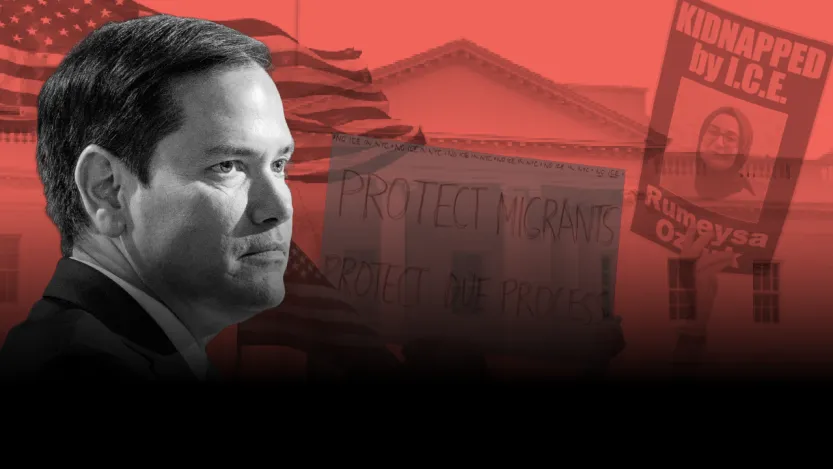
If you’ve received a legal or administrative threat based on your decisions about your publication’s content, call our hotline.
6. Search and seizure. Of course, it’s important to make sure your sources understand what protections they have. While there is no federal privilege preventing law enforcement or private litigants from subpoenaing for records, law enforcement agencies (including ICE) generally cannot search for your journalistic work product without a subpoena. Your state may also offer further protection for your work product and keeping sources’ identities confidential, even if law enforcement asks you to reveal them. If you’re concerned about law enforcement investigation, call us to discuss any state-specific laws that may apply.
Unfortunately, all the laws in the world can only do so much. While the First Amendment protects newsgathering and passionate expression of opinions alike, it’s important to be aware (and to inform sources) of the lengths to which law enforcement has gone to investigate what people are saying. From requiring that tourists let officials snoop through their social media to getting service providers to hand over a student journalist’s bank information to raiding a journalist’s home, the government is actively pursuing information about people’s expression.
The First Amendment exists to protect citizens and noncitizens alike from government retaliation based on their expression, and FIRE is here to defend your expressive rights. In the current landscape, however, knowing practical ways to minimize your risk and that of your sources can be the difference between breaking a story and arrest.
FIRE’s Student Press Freedom Initiative (SPFI) defends free press on campus by advocating for the rights of student journalists at colleges and universities across the country and offers helpful resources on student press censorship and information on the role of student media. If you face censorship, call 717-734-SPFI (7734) for guidance, resources, and answers to your legal questions.