Anonymity from the founding to the digital age
So to Speak: The Free Speech PodcastEp. 264
In the years leading up to the American Revolution, newspapers and pamphlets overflowed with essays signed "Publius," "Brutus," and "A Farmer." Those arguments helped shape a nation, but the authors' real names were nowhere to be found.
Americans have long relied on anonymous speech to challenge the powerful, protect dissenters, and keep the focus on ideas rather than identities. That tradition has endured into America's digital age, even as anonymous speech has become more controversial.
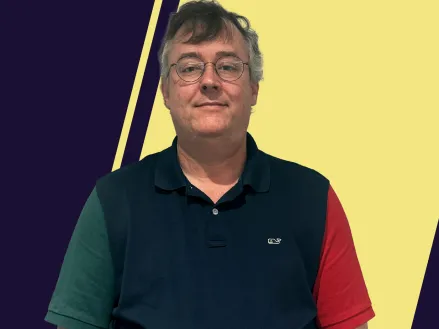
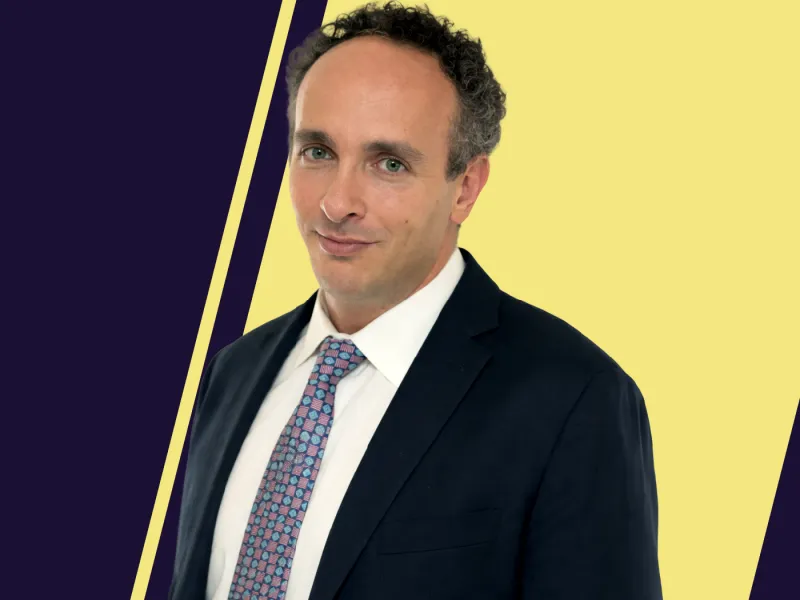
To explore America's history with anonymity, we are joined by Jeff Kosseff, a nonresident senior legal fellow at The Future of Free Speech and author of The United States of Anonymous. Preorder his forthcoming book, The Future of Free Speech: Reversing the Global Decline of Democracy's Most Essential Freedom.
Timestamps:
00:00 Intro
02:01 What is anonymity?
04:38 Anonymous speech in Colonial America
15:58 Does the First Amendment protect anonymity?
20:35 Anonymous speech in the Civil Rights Era
31:17 The internet and anonymity
35:44 Modern anonymity debates: DHS subpoenas, age verification, social media regulation, and VPN bans
51:53 Outro
Enjoy listening to the podcast? Donate to FIRE today and get exclusive content like member webinars, special episodes, and more.
If you became a FIRE Member through a donation to FIRE at thefire.org and would like access to Substack's paid subscriber podcast feed, please email sotospeak@thefire.org.
Recent Episodes
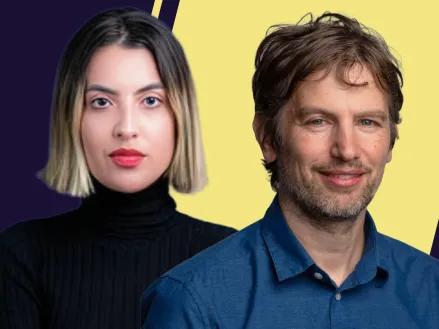
Venezuela is a cautionary tale w/ Jim Epstein and Germania Rodriguez Poleo
So to Speak: The Free Speech PodcastEp. 284
FIRE Reacts: Trump's media ban
So to Speak: The Free Speech Podcast
Robby Soave on Trump's press ban, Macklemore, and free speech culture wars
So to Speak: The Free Speech PodcastEp. 283
Breaking down our 2027 College Free Speech Rankings
So to Speak: The Free Speech PodcastEp. 282

What's the First Amendment's original meaning? w/ Jud Campbell and Stephen Solomon
So to Speak: The Free Speech PodcastEp. 281
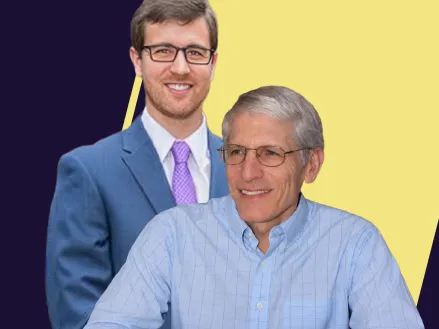
Social media, speech, and kids w/ Joel Thayer and Kate Ruane
So to Speak: The Free Speech PodcastEp. 280
Legendary lawyer Michael Tigar on juries, free speech, and the trial of John Peter Zenger
So to Speak: The Free Speech PodcastEp. 279
The Trump admin wants to change how scientific research is funded w/ Catharine Young, Evan Morris, and Ryne Weiss
So to Speak: The Free Speech PodcastEp. 278
Ada Palmer on the history of censorship from the Renaissance to AI
So to Speak: The Free Speech PodcastEp. 277
Book banning's trial of the century w/ Anthony Aycock
So to Speak: The Free Speech PodcastEp. 276