Fellers v. Kelley
Cases
Case Overview
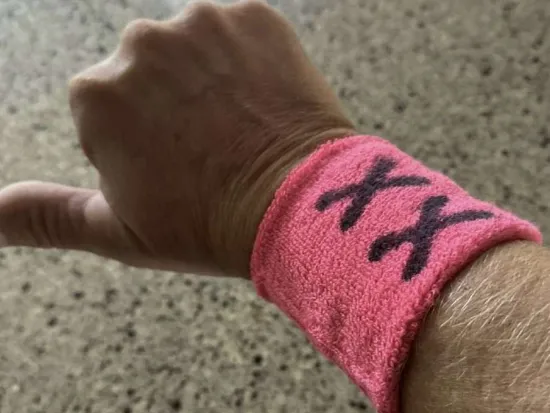
When parents of students at Bow High School in New Hampshire attempted a silent protest at a school soccer game, administrators disrupted the game and censored their wearing pink wristbands with XX written on them to protest allowing transgender athletes to compete in women’s sports. At the same time, school administrators attested they would have permitted parents to wear “pride” symbols or messages to the game or other extracurricular activities. That is classic viewpoint discrimination, and it is unconstitutional.
The parents sued. The district court, however, affirmed the school administrators’ censorship, misapplying case precedent that governs student speech in school to adult speech in a public forum. The court forged new law that allows school administrators to censor adults in public forums based on subjective fear that a protest might cause someone offense or distress. But that flies in the face of longstanding precedent against viewpoint discrimination, which recognizes among other things that giving offense is part and parcel of freedom of expression, as well as on the treatment of adult speech in public forums.
In the parents’ appeal from that ruling, FIRE filed a motion for leave to file an amicus brief that explains that the district court’s extension of student speech precedent to adult speech in public forums is unprecedented, unwarranted, and a serious threat to adults’ First Amendment rights. School officials should not be policing non-disruptive adult speech at events open to the public, whether they agree with it or not.
On August 26, 2026, the First Circuit held the district court erred in denying a preliminary injunction because silent display of wristbands with the “XX” symbol fell short of substantial disruption of any school activity or harassment. The court held the record showed a likelihood the school district imposed sanctions “because it disagreed with the protest message conveyed.” There was “no evidence of harassment, given there is no evidence … any player actually saw the wristbands,” which also meant the school district could not legitimately claim it had an affirmative duty under Title IX to protect students from the speech (especially given the later-decided Supreme Court case that recently upheld laws restricting sports participation to sex assigned at birth).
Case Team