Table of Contents
Artificial Intelligence and Freedom of Speech
Research & Learn
From the printing press to the internet, advances in communications technology often upset the established order and spawn demands for censorship. There is little reason to suspect advances in artificial intelligence will be treated differently. How should we think about speech rights in the age of artificial intelligence and advanced robotics?
In this series of essays, FIRE Legislative Analyst Tyler Tone answers common questions about the intersection of free speech and AI.
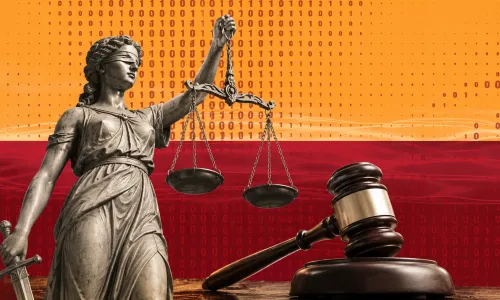
Protecting free speech in the AI age

How does the First Amendment apply to 'deepfakes'?
Analysis
Deepfake laws risk criminalizing political satire protected by the First Amendment, even as existing laws already address harmful deception.

Is training AI on copyrighted materials protected by the First Amendment?
Analysis
A wave of lawsuits risks giving copyright holders a veto over a transformative new medium of expression.

How does the First Amendment apply to AI regulation in hiring and health care?
Analysis
Governments are regulating AI used in hiring and health care. But when does regulating decision-making tools become regulating speech?
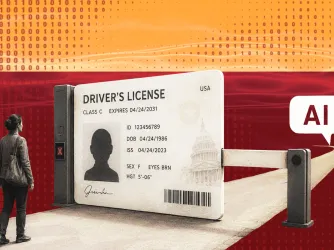
Can the government require ID before you use artificial intelligence?
Analysis
Age checks for AI could become ID checks, threatening privacy, anonymity, and the freedom to ask questions, learn, and explore ideas online.
How does the First Amendment govern liability for AI?
Analysis
Lawsuits blame chatbots for medical harm, suicide, and violence. The First Amendment may turn on whether AI is speaking or acting in the real world.
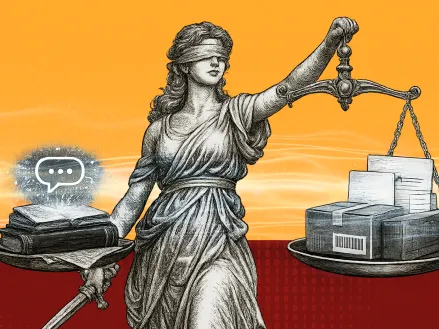
What has FIRE been doing in the AI space?
Analysis
How did FIRE become a leading voice on AI? By defending free speech in legislatures, courts, research, and emerging technology.
How does the First Amendment apply to AI?
Analysis
AI isn’t authorless. Every chatbot reply reflects human choices — and the First Amendment protects both its creation and your access.
What does AI have to do with the First Amendment?
Analysis
Applying First Amendment principles to AI-generated expression is both a natural extension of those principles and a necessary step to prevent those principles’ weakening in other applications, including in areas like newspapers and video games.