Table of Contents


So to Speak Podcast Transcript: Robby Soave on Trump's press ban, Macklemore, and free speech culture wars
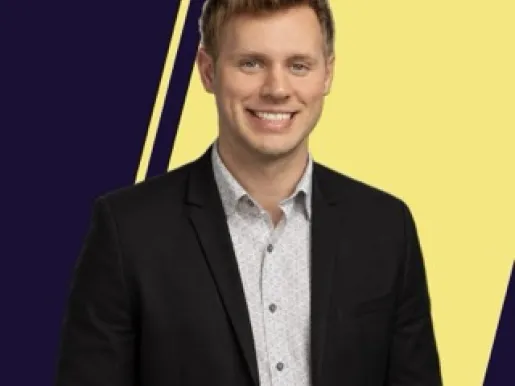
Note: This is an unedited rush transcript. Please check any quotations against the audio recording.
Robby Soave: That’s what’s different about Trump. Whereas other administrations probably found stealthy and sneakier ways to infringe on speech rights, or battle the media, or do whatever they do, Trump just says it out loud, right? That, “I don’t like this outlet. They’re very mean to me, the president. They shouldn’t be able to do that, and I’m going to stop them,” or, “Brendan Carr should stop them.”
Audio Clip: Somewhere I read of the freedom of speech.
Nico Perrino: You’re listening to So to Speak: The Free Speech Podcast. Brought to you by FIRE, the Foundation for Individual Rights and Expression. Welcome back to So to Speak: The Free Speech Podcast, where every other week we take an uncensored look at the world of free expression through the law, philosophy, and stories that define your right to free speech. I’m your host, Nico Perrino. I’m joined here today by Robby Soave. Robby is a senior editor at Reason and the host of Rising on Hill TV. Robby also is an author.
Robby Soave: Yes.
[Crosstalk]
Nico Perrino: Two books. I’ve got one of the books in my office.
Robby Soave: That’s right.
[Crosstalk]
Nico Perrino: I couldn’t find the other one. This 2019 one is Panic Attack: Young Radicals in the Age of Trump, and the 2021 one – do I have that year right, Robby?
[Crosstalk]
Robby Soave: I think so.
Nico Perrino: That’s Tech Panic?
Robby Soave: Yes.
Nico Perrino: Keeping the panic tradition. Why We Shouldn’t Fear Facebook and the Future.
Robby Soave: Remain calm. Despite the panic.
Nico Perrino: Has it gotten any more panicked since you wrote that book?
Robby Soave: I’ve been tempted to complete the panic trilogy. I don’t know what the third panic would be. Probably would be about AI or something now.
Nico Perrino: But that’s a tech panic as well.
Robby Soave: Yeah. Just different manifestations of the panic. Well, I’m always trying to tell people not to panic for various reasons, which is a hard thing to do in media because negative stories –
[Crosstalk]
Nico Perrino: Isn’t your job, if it bleeds, it leads?
Robby Soave: Yeah. Man, that is how it goes. There are genuinely bad things on the speech front always to talk about; instances, things happening.
Nico Perrino: How does it work doing a morning show? Do you spend all night catching up on the news?
[Crosstalk]
Robby Soave: No.
Nico Perrino: Or do you just cram for it right before you go on air?
Robby Soave: You cram for it right before. You just can’t –
[Crosstalk]
Nico Perrino: You have to have an opinion too.
Robby Soave: Yeah. That’s what’s challenging about it. Because sometimes I’m learning about things 30 seconds before I have to form an opinion on it. You just get better at having something to say. You’re talking about things that you’ve generally been talking about for a long time, so a new instance of some phenomenon you can describe. I get up early, I go to the gym, I check my phone while I’m working out. Hopefully, I haven’t missed a big thing. If there’s some tragedy. There’s been a plane crash or something that we’re going to have – because we cover the news.
Nico Perrino: Sure.
Robby Soave: I’m usually aware of it from osmosis before I was in those chairs.
[Crosstalk]
Nico Perrino: Do you have a co-host?
Robby Soave: Yeah. My co-host, Lindsay. It’s [crosstalk - inaudible] [00:02:33] show.
Nico Perrino: You’re not really having to look directly into the camera and talk to it without a teleprompter?
[Crosstalk]
Robby Soave: No.
Nico Perrino: Which I find to be kind of the hardest thing in the world to do. I don’t know how radio hosts just start talking into their microphone without an audience to see, and can form coherent sentences, if not paragraphs.
Robby Soave: It’s so much easier having someone else to –
[Crosstalk]
Nico Perrino: Yes.
Robby Soave: Because then if you do it for a long enough time with the same person, you understand their rhythm. Lindsay, I know she’s going to talk for the next 90 seconds. I’ve got 90 seconds now to prepare for what I’m going to say. Through the magic of TV, it looks like we’re talking to each other. We are; it’s a live conversation. But I also know exactly how much longer she’s going to be talking for, and I can send some emails, check in on my other workplaces, and then pick right back up in the conversation about 90 seconds later. “No, that’s outrageous! How dare you think that!” It’s like I’ve been paying attention.
Nico Perrino: Are you still writing too?
Robby Soave: Yes. I do a newsletter once a week for Reason. I still comment on issues as they come about. But it’s been interesting to watch video format really win over the written word.
[Crosstalk]
Nico Perrino: Take off.
Robby Soave: I prefer writing.
[Crosstalk]
Nico Perrino: In some respects, though – you remember the days when we were talking about the pivot to video, and BuzzFeed was all the rage.
[Crosstalk]
Robby Soave: It was just too early. It happened. They weren’t ready for it then.
Nico Perrino: People were looking at longer videos.
Robby Soave: Yes.
Nico Perrino: It’s like five-minute documentary shorts. Something a little bit longer. Now we’ve got these social media clips, which are a little bit different than what BuzzFeed, I think, was trying to go for. The highly produced sort of format isn’t always what takes off.
Robby Soave: Yeah. What was wrong about that was the idea that video was going to be hosted at your news website, at buzzfeed.com, at reason.com, at thefire.org. No, it’s going to be on YouTube, on Twitter. Clips of it will be on Instagram. The social media site is the host of the video content. You’ll have your channel there. The idea that you would house the video at your website and it would draw a massive amount of traffic to it, the BuzzFeed kind of – that fizzled out and failed as the social media sites decided for themselves, “Well, I don’t want to send you somewhere else. I want you to live on X,” if you’re Elon Musk. “I want you to live on YouTube,” if you’re Google. It is video. It’s just not video hosted on a website.
Nico Perrino: People are happy to live in one place and just scroll endlessly.
[Crosstalk]
Robby Soave: Yes.
Nico Perrino: Long ago are the days that we were blog hopping, for example.
Robby Soave: I know.
[Crosstalk]
Nico Perrino: I mean, FIRE puts most of our blog content on Substack these days just because its recommendation algorithm’s so powerful and people like receiving the content in their emails as well.
Robby Soave: That’s been the most interesting transformation in my professional media career. Because there was a time period from 2010 to 2020 – people who are not in media don’t know this – that Facebook was a massive driver of traffic to your blog or news website or your site.
[Crosstalk]
Nico Perrino: I mean, The Daily Wire lived off of it.
Robby Soave: Yeah. Conservative websites. That’s why I used to spar with conservatives who were saying, “We need to crush big tech. We need to regulate big tech. We’re so annoyed with the censorship and the moderation.” Many of those policies were, in fact, bad, and complained about them.
But if you get rid of this, then you’re going back to the dominance of the mainstream media that was very unfriendly to you. That would make no sense whatsoever. Independent voices, conservative voices, libertarian voices, leftist voices all have been successful and continue to be successful at finding an audience on these platforms. The last thing you should want to do – and that’s really what my other book is about – the last thing you’d want to do is harm those platforms.
Nico Perrino: Well, that’s one of the things –
[Crosstalk]
Robby Soave: If you care about speech.
[Crosstalk]
Nico Perrino: That’s why I don’t understand the conservative movement’s interest in reforming or sunsetting Section 230.
Robby Soave: It makes no sense.
Nico Perrino: If you hate social media censorship, the single best thing you can do to generate more social media censorship is to eliminate Section 230, which is the liability shield for third-party content that they receive.
Robby Soave: Correct. What’s happened, I think, over time is that many on the right – not all – but I think they realized that their desire to open social media up to horrendous legislation or revisiting of the existing legislation seems to me to have gone down. That’s still a kind of pet project or desire of some elements of the right, the kind of populist NatConey right. But the interest in actually doing something has gone down dramatically. Because the tech companies did change their heavy-handed moderation policies to a – not a total degree, but to a significant degree.
[Crosstalk]
Nico Perrino: I think in part to curry favor with the current administration.
Robby Soave: To curry favor, which is not good.
[Crosstalk]
Nico Perrino: I mean, Mark Zuckerberg goes on Joe Rogan and talks about how the Biden administration was putting undue pressure on them.
[Crosstalk]
Robby Soave: Right.
Nico Perrino: But he could have stood up to that pressure at the time, and he didn’t. It was very convenient for him to only say that when President Trump got elected.
Robby Soave: Yes. I think that’s fair. At the same time, you would have hoped that people would have had his back on the right who are principled about speech. I think he just was doing, at the time, what he thought was best for his company, and I would have preferred him take a principled stance. The best thing is taking a principled stance. The second-best thing is admitting that you did some bad things and apologizing for them and saying you wouldn’t do that again, which is what he decided.
Nico Perrino: Yeah. [crosstalk - inaudible] [00:07:47].
Robby Soave: But it was a crazy era. I mean, I go back, and I think about, on YouTube, our channel Rising, this is the morning show I host for The Hill. We got taken down on YouTube for a week for election misinformation because we played a clip of Trump, in which – at a press conference. This is at the time. 2021 – he makes the claim that he won the election or whatever. It’s an opinion show, but we didn’t endorse that opinion.
I didn’t say I agreed with it. We just covered it in a news sense. But because the policy at the time on YouTube required you to correct just this claim, election-related misinformation and some COVID stuff, to even if you just played a clip of someone saying [inaudible] [00:08:34], you to say, “…and that is false for this reason.” Then go about your day. We didn’t immediately do that, and they took down the channel for a week. It was crazy.
[Crosstalk]
Nico Perrino: It’s like erasing history.
Robby Soave: It is. It actually happened to the January 6th committee people, too.
Nico Perrino: I know. I heard about that!
Robby Soave: It’s the same thing.
[Crosstalk]
Nico Perrino: As you’re saying this, because all this sort of happened, I believe, in like the 2022 era, because I remember FIRE had just expanded our mission off campus.
Robby Soave: Yes.
Nico Perrino: One of the first things we were asked about dealing with off-campus free speech was – I believe it was a January 6th committee clip.
[Crosstalk]
Robby Soave: Yeah. It was the committee’s YouTube page.
Nico Perrino: Yeah. It was being taken down, and I think the New York Post was asking us about it, or maybe they had posted something that got taken down, and we’re like, “Whoa! What is going on?”
Robby Soave: This is just crazy. Efforts to just give people information about what public officials are saying, to complete the historical record about how public officials have behaved. That’s how scared the company was at the time. How truly cowardly they were behaving. But they’ve said that was a huge mistake and will not do that again.
Nico Perrino: Well, one of the criticisms of these companies was that they maybe didn’t stand up to the Biden administration.
Robby Soave: No.
Nico Perrino: Because the Biden administration wanted them to do things that they already wanted to do. Why fight back against it? Why push back against it? Now it seems like they’re all trying to say they didn’t want to do that. It’s weird. It seems disingenuous.
[Crosstalk]
Robby Soave: I think they wanted to be cool and likable. Previously, the heads of these companies were young liberal kind of people who had a sort of neoliberal political view, and were like, “Okay, we want to get along well with Democratic elite tastemakers, and that will sap their enthusiasm for wanting to regulate our companies.” In fact, it’s the opposite. There is a profound interest among leaders of the Democratic Party in regulating these companies because they like to regulate big business. It’s on the other side where you can gain points by being nicer to Republicans. That worked to sap the Republican enthusiasm for regulating these companies. It’s totally craven and opportunistic, but it is what it is.
Nico Perrino: Well, what do you make of the Republican Party’s new affinity for censorship, or do you not see it the same way? I mean, this morning on Rising, did you talk about President Trump’s ban on these news media organizations?
[Crosstalk]
Robby Soave: Yes.
Nico Perrino: What’s your take on that?
[Crosstalk]
Robby Soave: We talked about it. I mean, none of this is – well, it’s bad. The Trump administration’s record on a number of free speech issues with respect to the media, the FCC, how Trump handles these things have been very bad. I never expected otherwise.
Nico Perrino: Really? That’s interesting.
[Crosstalk]
Robby Soave: I was not fooled on this one.
[Crosstalk]
Nico Perrino: Because I thought the first Trump administration wasn’t too bad.
Robby Soave: No, it wasn’t. I just didn’t think they had the discipline on this to really tolerate speech that is directed at Trump that he doesn’t like.
[Crosstalk]
Nico Perrino: Okay.
Robby Soave: I mean, Trump hates –
[Crosstalk]
Nico Perrino: To be clear, he always talked about the press being the enemy of the people.
Robby Soave: Right.
Nico Perrino: Fake news. He always did that sort of thing.
[Crosstalk]
Robby Soave: Well, and he’s free to mix it up with them. He’s free to use his own speech to criticize them. Some of the personal suits against entities that he has said has libeled; everyone has the right to sue people. I don’t love it. The concrete actions taken by the FCC and then taken this morning, or over the weekend, to –
Nico Perrino: I think it was at 3:00 p.m. on Friday he announced that – what – CNN, MSNBC and Politico were being kicked out of the White House.
[Crosstalk]
Robby Soave: Right. CNN. Yes. Kicked out for – I mean, not that a justifiable reason matters – but they’re doing very standard coverage of the administration that is negative in tone, I assure.
Nico Perrino: Did you hear what he said in the gaggle when he was asked about this?
Robby Soave: He said that they’re the enemy of the people, type of stuff.
Nico Perrino: Enemy of the people. But he also said something, and I’m loosely paraphrasing here. This is the crux of what he said. He said there’s something wrong with a country that allows people to publish purposely negative stories.
Robby Soave: I know.
Nico Perrino: Something wrong with a country that allows the press to publish purposely negative stories.
Robby Soave: Right.
Nico Perrino: That’s the First Amendment.
Robby Soave: Right. I mean, it’s obviously crazy.
[Crosstalk]
Nico Perrino: If it bleeds, then it leads! I mean, that’s what you’re doing. You’re publishing negative stories.
[Crosstalk]
Robby Soave: You’ve got a more thought-through or attempt by Vice President JD Vance to offer some rationale that actually makes any sense whatsoever, and he’s saying, “Well, we’re not saying they can’t cover us. We’re not outlawing negative coverage at all. It’s just, it’s a privilege to be” –
[Crosstalk]
Nico Perrino: Unless you hold an FCC broadcast license, and you host a late-night comedian, or run a 60-minute segment the president doesn’t like. Then, they’re going to leverage the FCC to take away your broadcast license.
[Crosstalk]
Robby Soave: Right. Right. Exactly. That stuff was all just directly contrary to the spirit of what they ran on in terms of defending free speech, being a pro-free speech administration. We were, you’ve been, FIRE has been, I’ve been so critical of what Biden did on social media speech – going back to what we were talking a minute ago – and other Democratic leaders who’ve wanted to do inquiries of social media companies from platforming conservative speech or COVID-critical speech or whatever it is.
It was so obvious that that was bad. I don’t think this administration or the people in the administration take any sort of principled opposition to that, right? They were like, “Well, that’s bad. It made people mad because that was the other team doing it. We’ll do our own version of that. Not exactly that, just some other thing.” They’re like, “That’s what we get to do.”
Nico Perrino: I mean, it was a tactic perhaps to win back office. FIRE ran a poll ahead of the election to figure out what Americans are most concerned about heading into the election. The No. 1 issue was inflation, of course.
Robby Soave: Right.
Nico Perrino: The No. 2 issue was free speech, believe it or not.
Robby Soave: Wow.
Nico Perrino: Then you get President Trump there during his inauguration speech saying he’s bringing back free speech to America. It was not only an applause line, it was a standing ovation line.
Robby Soave: Yes.
Nico Perrino: Then he proceeds to go after law firms that represent clients that he doesn’t like.
Robby Soave: Yes.
Nico Perrino: He proceeds to weaponize the FCC. He proceeds to take money away from the colleges and universities, and condition receiving it again on adopting speech codes and violating academic freedom.
[Crosstalk]
Robby Soave: Right.
Nico Perrino: Adopting speech codes and violating academic freedom. He implements an executive order that’s purported – didn’t quite do it – but he says it would give people a one-year jail sentence if they burn the flag.
Robby Soave: Right.
Nico Perrino: He says that anyone who says that’s unconstitutional is stupid. I guess that includes Justice Antonin Scalia, who –
Robby Soave: The most straightforwardly famous example of something you cannot do is ban flag burning, right?
Nico Perrino: Then you have Pam Bondi, who was then running the DOJ, who says that they’re going to go after hate speech.
[Crosstalk]
Robby Soave: Yes.
Nico Perrino: Then President Trump says, “Yeah. She should look into ABC for hate speech.”
Robby Soave: Yes.
[Crosstalk]
Nico Perrino: It’s one thing after another. Now, I admit the White House press ban might be a so-called advanced technique under First Amendment law. People might not quite understand why it implicates the First Amendment because the press doesn’t have a right to the White House grounds in the first place.
Robby Soave: Right. There’s a finite amount of space.
Nico Perrino: Sure.
Robby Soave: We can’t all have some equal right to use this because you’d run out of room. There’s only so many seats on Air Force One, that kind of thing. They can do a little bit of picking.
[Crosstalk]
Nico Perrino: Do you have a big enough audience, things like that.
[Crosstalk]
Robby Soave: Right.
Nico Perrino: They don’t have to open the grounds at all to the press if they don’t.
Robby Soave: Right.
Nico Perrino: But once you allow the press in, and you create this sort of forum, you cannot deny people access because you don’t like what they write about you, or because you don’t like that the Associated Press refuses to use “Gulf of America” instead of “Gulf of Mexico.”
[Crosstalk]
Robby Soave: Right. Right.
Nico Perrino: I understand that people don’t quite understand the nature of viewpoint discrimination surrounding a privilege. For example, access to the White House grounds. The other thing people keep coming at us with is the fact that the Biden administration, I think, got rid of something like 400 “hard passes,” which I guess means gives you access to the White House whenever you want.
[Crosstalk]
Robby Soave: Access to the grounds.
Nico Perrino: They said, “Oh, President Trump is just doing the same thing.” But what they’re not recognizing is that what Biden did was condition the press pass on non-viewpoint discriminatory reasons. “Have you been to the White House in the last six months? Do you have a Washington, DC address?” Not, “Did you write a bad story about us?”
Robby Soave: Yes.
Nico Perrino: Also, people were invited to reapply for the press pass under these new standards if they wanted to. Most of them didn’t because most of them who had these hard passes weren’t actually using them, and that’s why the administration wanted to get rid of them in the first place. Then there was that other situation in 2009 where Obama – the Obama administration – I don’t know if Obama personally – tried to bar Fox News from coming to one pool event.
Robby Soave: Right. Yes.
Nico Perrino: The news industry was outraged. The Obama administration quickly backed down. It was nothing like this, where it’s just three news outlets completely banned from going on the White House grounds.
[Crosstalk]
Robby Soave: Right. Right.
Nico Perrino: Then I was just looking before we came in here. How President Trump is hosting some sort of ribbon-cutting ceremony at the White House. But I don’t know what that ribbon-cutting ceremony was for because as he was cutting the ribbon and giving his remarks, there were no microphones to capture his audio. That’s sort of, kind of comical moment. Because the pool decided that they’re not going to cover the administration or send their pool cameras so long as these three outlets are banned.
Robby Soave: Right. I don’t know what their goal or strategy is here because, for better or worse, Trump, and other administration figures, and successful Republican politicians more generally enjoy feuding with the media. Enjoy criticizing the media. The media has to be in the room, though, for those kinds of things to actually happen. I feel like – and maybe this is the totally wrong way to think about the government and the way it should operate – but aren’t you depriving your audience of much-desired content by limiting the number of interactions you’re going to have with the press or how much access the press has to you?
I mean, that’s been a great strength of Trump from a political savviness standpoint. One of the reasons he’s been so successful is how accessible he likes to be to mainstream media figures and conservative media, everyone. People who don’t like him. But they’re going a different way on this one. I mean, this might be reversed after a couple days. It could be the new normal, and there’ll never be press house briefings again. Who knows?
Nico Perrino: Yeah. What, are we recording this on Monday, September 21st?
Robby Soave: Right.
[Crosstalk]
Nico Perrino: I guess the motion for a temporary restraining order is on Wednesday, and it’s before the same judge who granted CNN’s motion for a temporary restraining order in the Jim Acosta case. I don’t know if you remember that from 2018.
[Crosstalk]
Robby Soave: Yes.
Nico Perrino: Jim Acosta, then at CNN, was barred from maybe the press briefing room or a pool or whatever it was.
[Crosstalk]
Robby Soave: Right.
Nico Perrino: This judge, a Trump-appointed judge from his first term, granted the motion for a temporary restraining order, which is kind of like the hardest motion to win.
Robby Soave: Right. Right.
Nico Perrino: The law really needs to be on your side to win that. If I had to put my money on it, I’d bet that this judge will again grant that motion for a temporary restraining order here in a case where the viewpoint discrimination is obvious.
[Crosstalk]
Robby Soave: It’s obvious.
Nico Perrino: I mean, President Trump has admitted to it.
[Crosstalk]
Robby Soave: He said it.
Nico Perrino: He’s admitted to it.
Robby Soave: That’s what’s different about Trump, right? He’ll just say, whereas other administrations probably found stealthy and sneakier ways to infringe on speech rights, or battle the media, or do whatever they do. Trump just says it out loud, right? That, “I don’t like this outlet. They’re very mean to me, the president, and they shouldn’t be able to do that, and I’m going to stop them,” or, “Brendan Carr should stop them.” Stop saying that!
[Crosstalk]
Nico Perrino: As Greg Lukianoff, my boss, was saying, I think on Smerconish’s show this weekend, he’s like, “The No. 1 job that you have as a First Amendment attorney is to be able to demonstrate that the government engaged in viewpoint discrimination. Because if it engaged in viewpoint discrimination, it’s very easy, or it’s about as easy as it can be, to win your First Amendment lawsuit.”
President Trump just comes out and says, “I’m engaging in viewpoint discrimination.” I’m kind of shocked by how many free speech stories we’ve gotten out of this second Trump administration. As I said, the first one wasn’t nearly as bad. The culture war stuff, the cancel culture stuff, seems to have waned a little bit. What’s your sense of that?
Robby Soave: Well, that always goes to arguments about what exactly is “cancel culture.” We don’t use that terminology as much anymore. Certainly, the kind of power that – what we now consider to be “wokeness,” that was a word we arrived at much more recently. But that liberal progressive people, activists, had on campus and off, to kind of police speech in just a cultural context on social media, on campus, those kinds of things.
Nico Perrino: Get them fired from their jobs.
Robby Soave: Right. Get people fired from their jobs, get people not admitted to college. I mean, you still hear a lot of that.
[Crosstalk]
Nico Perrino: You saw a little bit of this after the Charlie Kirk assassination.
Robby Soave: Sure. But I would say there was a period of that, particularly the social media aspect. I know these things go on, on campus all the time, and it doesn’t really wax or wane. But the power of the mob on social media to get somebody in trouble for something, for progressive reasons, 2014 to 2022, that has subsided meaningfully, as many of those social media sites no longer kind of operate in a way where that’s likely to happen. I think we do kind of say, “Eh.” I think we want, to some extent, punish people for speech a little less militantly in a cultural context than we did then, or maybe it’s just a different kind of thing?
Nico Perrino: No. I understand.
[Crosstalk]
Robby Soave: I’m not trying to be rose-tinted and say, “Oh, everything’s fine now, and nobody ever gets in trouble for saying the wrong thing.” Certainly, the left’s ability to do that – I don’t mean the hardcore Marxist – but progressive, cultural left people, I think their ability to do that has diminished.
Nico Perrino: Is it just because people are fed up with that tactic?
[Crosstalk]
Robby Soave: I think people got fed up with it.
Nico Perrino: Or was it that Elon Musk bought Twitter?
[Crosstalk]
Robby Soave: That too. That too.
[Crosstalk]
Nico Perrino: Twitter was the main place where thought leaders, for better or worse, were congregating. The left, if it was a tactic that they used predominantly, they were all on Twitter. Elon Musk buys it, and now they’re all over at Bluesky, and nobody’s paying attention to them.
[Crosstalk]
Robby Soave: Nobody’s paying attention to them. I think that is what happened in general. Media companies that had to fire people because The New York Times op-ed offended someone, that sort of thing. Companies trying to discipline this kind of behavior. I think all eventually realized that this was just a losing tactic in the long run.
Because you’re never going to make the small number of very unreasonable people who hate that you said something offensive and want to punish you for it – small number of people – they were being listened to. They were never going to be appeased. They were never going to say, “Okay. That’s enough. We love Coca-Cola now,” or whatever it is, right? They were never going to give up. So, eventually, they just stopped being listened to, I think.
Nico Perrino: Even if you apologized.
[Crosstalk]
Robby Soave: There was no winning.
Nico Perrino: That only narrowed the focus even more on your transgression or your alleged transgression.
[Crosstalk]
Robby Soave: For sure. Now you have heard on the Democratic side from a lot of people, even people running for office now, say, “We’re not about canceling people.”
Nico Perrino: “Woke 1 was crazy.”
[Crosstalk]
Robby Soave: “Woke 1 was crazy. I may not agree with whoever’s views, but they’re still my friend,” or whatever. That is a sentiment being expressed more commonly by people in Democratic circles, and I think it’s broadly a healthy thing, good for the party to feel that way. That’s been good to see, maybe for us, culture of free speech people, culture of exchanging different ideas.
Nico Perrino: Well, what do you think of the Macklemore situation, getting dropped from Ed Sheeran’s tour?
Robby Soave: I feel a little bit bad for Ed Sheeran. I will admit that.
Nico Perrino: He seems to try to stay out of politics, and this has just thrown him right into it.
[Crosstalk]
Robby Soave: He just wanted to make politics-free music. But you know, Macklemore has a long history of speaking out on this issue. On one hand, it’s kind of like, “Well, what did you expect?” I don’t know that Ed Sheeran picked him. He’s got a team of advisors to find out what the best warm-up act is. Robert Kraft has called more attention to this issue than it would ever receive, right?
Now it’s a quintessential Streisand effect situation. That’s what struck me about it. If he had just said, “Well, I don’t like it, but Macklemore’s going to do a short little political statement about his views, and it’s going to go on. It annoys me, but I’m just going to let him do that,” it would’ve gotten far less attention than it’s getting now because he’s been deplatformed.
Nico Perrino: Well, he had that incident, Macklemore, right, where he wore what looked like a caricature –
Robby Soave: Yeah. Really gross. 10 years ago, he said he didn’t know what it was, and he apologized for it.
[Crosstalk]
Nico Perrino: 2014, 12 years ago.
Robby Soave: I don’t know.
Nico Perrino: He worked with the ADL, apparently, and the ADL accepted his apology.
[Crosstalk]
Robby Soave: Sure.
Nico Perrino: I tried to figure out what exactly he said. Seemed like he was saying things like, “Free Palestine.” I’ve heard a lot worse on college campuses than what he did there.
Robby Soave: For sure.
Nico Perrino: I think part of it was also, he was at MetLife. You have big Jewish communities perhaps attending the show and hearing it, and they didn’t like it. But then you have Robert Kraft, who owns, what, Gillette Stadium in Boston, who then tried to get him dropped. As you noted. Then tried to work with other stadium owners around the country to get him dropped, including, I believe, some publicly-owned stadiums, which raises a First Amendment concern.
Robby Soave: That does raise the First Amendment issue. For his stadium, if he owns it, it’s private; he does get to do that.
Nico Perrino: He has the First Amendment right to do that.
Robby Soave: For sure.
Nico Perrino: Yes.
Robby Soave: I think it was not a good call on his part. I think if his goal is to minimize the attention Macklemore is getting for his pro-Gaza, pro-Palestinian, anti-Israel stance, then I would’ve not taken this course of action. I think this is Streisand effect hardcore, and it shows why kind of cultural censorship – again, he can do what he wants; it’s his stadium – but how that backfires and calls more attention to things. You, Greg, myself, we’ve talked about this for years.
Nico Perrino: No. Yes.
[Crosstalk]
Robby Soave: This is such a really powerful example of that phenomenon at work.
Nico Perrino: I was listening to Bloomberg on the way home from work, as I want to do Bloomberg Radio, and they were talking at the end of the day on Friday about how tickets for Macklemore’s upcoming Red Rock show have skyrocketed, something like – I don’t even know. Some absurd percentage.
[Crosstalk]
Robby Soave: There you go.
Nico Perrino: Then tickets for Ed Sheeran’s shows have gone down, and that’s just the Streisand effect in practice. I mean, I remember, it was my birthday or something in 2017 when the University of California, Berkeley students firebombed Berkeley to prevent Milo Yiannopoulos from coming on campus.
Robby Soave: I was just recalling that because of Milo being back in the news in the last few weeks.
Nico Perrino: Getting deported or whatnot.
[Crosstalk]
Robby Soave: Yes. Yes.
Nico Perrino: But I remember that night, Milo Yiannopoulos is on all the television shows. His book shot up to No. 1 on Amazon. It’s like, “Guys.” This is something that civil rights groups had long understood to be the effect of calling for censorship.” The NAACP, when Birth of a Nation – you remember that deeply racist film from the early part of the 20th century – came out, they went around the country, tried to get the film banned, and learned from that experience that all they ended up doing was making the director a free speech martyr and helping the film at the box office.
[Crosstalk]
Robby Soave: For sure.
Nico Perrino: I don’t know if they called it “the box office” back in those days. Over time, they and Jewish groups, in fact, understood that calling for censorship just backfired. It created free publicity for the people that they didn’t want to speak or whose messages they didn’t want to have heard. They developed a tactic that I think – if I’m recalling the phrases correctly or the words correctly – it was the quarantine and inoculation approach. So, quarantine it, the speech that you don’t like. Don’t give it any attention. Starve it of attention.
Then inoculate the public against it by doing public education about the things that you think are important to push back against those mindsets. That started to wane when the Nazis wanted to rally in Skokie in 1977, home then to 6000 Holocaust survivors. The Jewish community started to back off from that approach. Every couple of months, you see an example of the Streisand effect in practice. The Streisand effect, for our listeners who aren’t familiar, is when Barbra Streisand –
[Crosstalk]
Robby Soave: Barbra Streisand.
Nico Perrino: Barbra Streisand, she had a Malibu home that came up on this coastal erosion website. There was a photo of her home, and she wanted it taken off of this coastal erosion website, tracked coastal erosion. Her lawyers sent the website a letter. It turns out at the time that her lawyer sent the letter, something like three people had visited that page. No. It was six people, and three of them were her lawyers. After she writes this angry lawyer letter, something like hundreds of thousands of people had visited and seen this photo of her home on the Malibu coastline there.
Robby Soave: We saw that with the Hunter Biden laptop story. I do not think that would’ve been nearly the big deal it ended up being if social media sites had not gone to such desperate lengths – to some degree, because they’d been told by federal officials, law enforcement, that there’s going to be these Russian misinformation campaigns out there, and be very wary of our election security – deprioritizing it on Facebook, taking it off Twitter. You can take off the story, but then you can’t stop all the news stories about the story. It just became a bigger and bigger deal.
[Crosstalk]
Nico Perrino: Well, was it the New York Post that lost access to its account on one of these social media platforms?
[Crosstalk]
Robby Soave: The New York Post. They locked them out of their account on Twitter. That was Twitter. Facebook didn’t take it –
[Crosstalk]
Nico Perrino: This story was true, right?
Robby Soave: Yes. It was accurate. I mean, it really was Hunter Biden’s laptop. He really had left it at a laptop repair store.
[Crosstalk]
Nico Perrino: And wasn’t the repairman blind?
[Crosstalk]
Robby Soave: I don’t remember.
Nico Perrino: The facts of this are incredible.
Robby Soave: Well, he wasn’t Russian. Because at first they’re like, “Be very wary of this story. This is Russian propaganda.”
Nico Perrino: I mean, and granted, if I remember –
[Crosstalk]
Robby Soave: I’m like, “Did they hire an actor?” As soon as you have a person, it’s unlikely that there’s some kind of scheme going on, right? I’m like, “But the laptop story is real. So, I’m not understanding how this would be exactly Russian-derived.”
Nico Perrino: It’s been so many years since I reviewed the facts of that story, but I remember them just being a little bit absurd, almost to the point where it’s kind of hard to believe. But they were true. They were true. That’s the other thing, right? When we’re advocating for Politico, MS Now, CNN to have access to the White House and not have their hard passes revoked, one of the arguments we get on the other side is, “The media sucks. It’s a cartel. It’s a left-wing cartel. They’re publishing purposely negative stories about President Trump. Why should we come to their defense anyway?” I mean, what would you say to that?
Robby Soave: I would say that we should come to their defense because we’re principled about the First Amendment. Also, if you’re concerned about their negativity, or their bias, or their anti-Trump, whatever, they face more vigorous competition now than they ever have in all of human history. We live in a media ecosystem that is fragmented, in a good way. There are negative consequences to that, but there are a lot of good consequences.
Tons of people now get their news from a wide range of institutions or just people that they trust who are just active on social media, independent commentary. Left-wing commentary is healthier than ever. Right-wing commentary is doing better than ever. You have these legacy media institutions that are holding on for dear life. They still do a lot of good work from time to time. There’s also a lot I don’t like about them or disagree with their slant.
[Crosstalk]
Nico Perrino: Sure.
Robby Soave: But they dominate nothing now. They used to have all the control. Small number of influential national newspapers, small number of television stations. I mean, that was the argument for doing the kind of more aggressive regulating the FCC does, because it’s a small number –
[Crosstalk]
Nico Perrino: The broadcast spectrum and radio frequency spectrum, limited spectrum space.
[Crosstalk]
Robby Soave: Right. Right. But now those people face robust competition from all directions all the time. So, it’s much less likely they would all be complicit in some error, and we would not know the truth, or something. That couldn’t happen now. You couldn’t hide things about – if I think back to the press conspiring to hide the fact that FDR was in a wheelchair or something during his presidency. Can you imagine trying to do that now? It would never work because there’s too many people.
[Crosstalk]
Nico Perrino: People come back and say, “Well, what about Biden being infirm, and his age, and his cognition?”
[Crosstalk]
Robby Soave: That is a good response to that.
Nico Perrino: There were some press outlets. A lot of them were conservative press outlets that were covering it.
[Crosstalk]
Robby Soave: Yes.
Nico Perrino: I think one of the Axios’ reporters was covering it. Obviously, Jake Tapper, and I think it was the Axios reporter, wrote that book about –
Robby Soave: Yes.
[Crosstalk]
Nico Perrino: But it came out after Biden was out of the White House. That’s what they come back, say: “These are all these outlets that ignored the obvious. That anyone in the American public could see was obvious.”
Robby Soave: I don’t know. The person most responsible for that duplicity was Biden himself, and his team, and his press secretary. I mean, they kept him at dramatic lengths from the press and from his team.
[Crosstalk]
Nico Perrino: That’s true.
Robby Soave: He stopped doing press briefings almost entirely. He stopped meeting with his cabinet. The people I’m most mad about are the people in his cabinet who are like, “Why are there no more meetings? Why is Biden only accessible by phone during a very specific window of the day?” Those are the people who should have spoken out.
[Crosstalk]
Nico Perrino: But don’t you think the press should have been a little bit more curious about that?
Robby Soave: Certainly they should have been more curious. But I mean, they asked Karine Jean-Pierre tough questions about how he seems some of the time. She just said, “Oh, that’s lies. You’re seeing manipulated videos. That’s not how it was.”
Nico Perrino: Well, Biden’s always been a little bit weird with his approach to public commentary.
Robby Soave: I don’t want to sound like I’m being overly defensive of the press here. I think they were slow to ask the right questions. But they were also being lied to on a very profound level. This is an unusual level of deception on the part of the administration. Maybe it’s not. It seemed like it was at the time.
Nico Perrino: Well, for the frustration I have with the Trump administration is that it’s not even misinformation that he seems to want to police. It’s purposely negative stories.
[Crosstalk]
Robby Soave: It’s telling –
Nico Perrino: Right? Which is something that every president, back to George Washington, has had to deal with.
Robby Soave: Yes. They all complain that the coverage is too negative because the news is stuff that happens, not stuff that doesn’t happen. Even if things are going really well and everything’s great, “Oh, but there was a car crash, so that’s what we’re going to cover on the news.”
Nico Perrino: There’s war with Iran, inflation is high, diesel prices have doubled.
[Crosstalk]
Robby Soave: There are things to cover. I mean, there are things that we chose to do: the war with Iran. We chose to do massive tariffs. We chose to do things that have had economic consequences. The federal government chose massive levels of confrontation with federal immigration authorities and local municipalities where that municipality doesn’t want a lot of immigration enforcement.
It’s fair of the Trump administration to say, “Nope. We want to do deportation. That’s what we were elected to do, so we’re doing this.” But the result will be confrontations with the police that make people uncomfortable. I understand you think doing a war with Iran was a really good idea. It was necessary. I don’t really agree. But you did this, fine.
But these are the consequences. People are frustrated about it. Gas costs too much. Things cost too much in general. People are losing some faith, even people who voted for Trump, in the trajectory the administration’s taking. You can’t fault them for that. You really can’t fault media outlets for giving some level of voice to that. I mean, the approval ratings are somewhat low right now. It shouldn’t be shocking that there’s a somewhat negative in tone article. It was the Politico article that really set them off was about an aide to Mike Huckabee, the ambassador to Israel, who I believe is Mark Levin’s son-in-law of Fox News.
[Crosstalk]
Nico Perrino: Okay.
Robby Soave: This was just coming out today. There was a negative article about him in Politico, accusing him of soliciting donations for his wedding registry or something like that. I have no idea whether this is a fair or accurate characterization of his behavior.
[Crosstalk]
Nico Perrino: Sure.
Robby Soave: He said he emailed the wrong people about his wedding registry. I have no idea. That’s what they’re mad about. Well, that seems like a perfectly reasonable story to report on with a low-level staffer.
[Crosstalk]
Nico Perrino: It seems like if it was happening, you would want to follow up on.
Robby Soave: So, I don’t know. Even that is not exactly like, “TRUMP SUCKS,” all capital letters, over and over again or something. I mean, it’s just reporting on an administration official.
Nico Perrino: One of the reasons I wanted to have you on is because, if I’m not mistaken, you and I started working this free speech beat around the same time.
Robby Soave: I think so.
Nico Perrino: I’m 36 years old.
Robby Soave: I’m 38.
Nico Perrino: I started doing this at FIRE in 2012. We’ve kind of seen the same trajectory.
[Crosstalk]
Robby Soave: We have.
Nico Perrino: Right? You started, was it, at The Daily Caller?
Robby Soave: I was at The Daily Caller back in 2012. I was at The Daily Caller at the time.
Nico Perrino: You were working the free speech beat there, right?
Robby Soave: Yes. Yup. The campus free speech, very specifically. Back then there was just so much less attention being paid from national news outlets to things happening on college campuses. So, I found that it was easy, and I was able to add a good amount of value just by reading the Harvard Crimson and the Yale Daily News. I’m a University of Michigan graduate, so I’ve always paid very close attention to that campus.
Nico Perrino: Should have lost the Western Michigan football game. I don’t know if you follow that, but yeah.
Robby Soave: All that stuff. Fox News now has probably 80,000 higher-ed beat reporters to look for instances of conservative professors having their rights taken away.
Nico Perrino: Because the people love those stories.
Robby Soave: People love those stories.
Nico Perrino: You were probably the first beat reporter.
Robby Soave: I was among the first people to discover that, wow, people really care about these stories. They were not getting enough attention from national media. That’s what I was able to do.
Nico Perrino: Then you went to Reason.
Robby Soave: Then I went to Reason. I’ve been there ever since.
Nico Perrino: When did you go to Reason?
Robby Soave: I went to Reason full-time in 2014.
Nico Perrino: Okay. You were at The Daily Caller for a couple of years, then you went over to Reason.
Robby Soave: Two years.
Nico Perrino: I mean, how do you look at that trajectory? What first put you onto the beat? It was really around the time you shifted over to Reason that it started to take off. You had the deplatforming of New York City Police Commissioner Ray Kelly at Brown University in the fall of 2013.
[Crosstalk]
Robby Soave: Sure. Oh, I do remember that.
Nico Perrino: He was shouted down by students. That was really the first big flashpoint in the shout-down movement.
Robby Soave: Yes.
Nico Perrino: That then didn’t seem to stop, for – I mean, it’s still kind of going on in a certain respect.
Robby Soave: I found it interesting because it was a little bit new. I was on campus at the University of Michigan from 2006 to 2010. I worked for the Michigan Daily, the student newspaper, the main one. The very left, liberal one. I’m a libertarian. I have very different views from the people who worked there.
Nico Perrino: Is there a student newspaper that’s not?
Robby Soave: But they were free speech lefties at the time.
[Crosstalk]
Nico Perrino: Okay.
Robby Soave: At least the people I worked with. It was totally uncontroversial for us to defend – not me making the paper do that – the left people who ran it also wanted to defend controversial right-wing, whoever it is, people who were speaking on campus. When I started covering these things in the 2010, 2011, 2012, 2013 period, that I saw more and more progressive left students, who didn’t have the kind of old ACLU view of speech.
[Crosstalk]
Nico Perrino: Approach.
Robby Soave: No. They were using the language of harm, right? My emotions are impacted by someone speaking. It’s when trigger warnings and safe spaces became microaggressions.
[Crosstalk]
Nico Perrino: Microaggressions.
Robby Soave: Those all became words we became familiar with that. We’re using this language of mental health as a reason to do censorship. The reason to do censorship is my well-being, emotionally, is affected by the things that people are saying.
Nico Perrino: How do you even respond to that, right?
Robby Soave: How do you respond to that?
[Crosstalk]
Nico Perrino: If someone says this is causing them personal, even physical harm.
Robby Soave: Right.
Nico Perrino: Do you just say, “Toughen up?”
[Crosstalk]
Robby Soave: It’s a blank check.
[Crosstalk]
Nico Perrino: It becomes a blank check.
[Crosstalk]
Robby Soave: It’s a blank check to the person who expresses that idea.
Nico Perrino: It’s emotional blackmail in a certain sense.
[Crosstalk]
Robby Soave: That was new. That came into vogue among the campus activist set around that time. Myself and other people who were covering it just kind of got lucky in terms of seeing something that was very interesting to people and kind of crazy.
Nico Perrino: Well, I remember, it was Judith Shulevitz who wrote that famous op-ed in The New York Times called In College and Hiding from Scary Ideas.
Robby Soave: Yes. For sure.
[Crosstalk]
Nico Perrino: It was about the safe space at Brown, not around the Ray Kelly appearance.
Robby Soave: Brown was particularly crazy for this stuff.
Nico Perrino: It was around sexual assault, sexual misconduct.
Robby Soave: Yes.
Nico Perrino: How to deal with that.
Robby Soave: Yes.
Nico Perrino: They had set up a safe space there where people could go if they were feeling like they were “bombarded with too many ideas that they disagreed with.” That’s a literal quote from one of the students who used it. They could go to a place where there was frolicking, puppies, and Play-Doh, and cookies.
[Crosstalk]
Robby Soave: Doesn’t that sound nice?
Nico Perrino: It’s like In College and Hiding from Scary Ideas.
Robby Soave: I know.
Nico Perrino: Then you started seeing actual violence with Charles Murray at Middlebury.
Robby Soave: Sure.
Nico Perrino: We mentioned Milo Yiannopoulos at –
[Crosstalk]
Robby Soave: I saw him at Michigan.
Nico Perrino: That’s right. You had the incident there.
[Crosstalk]
Robby Soave: I was back, or I think I was living there at the time. I can’t remember. I went to the campus for him to speak there. There was no violence. It was everything short of violence. They shut off the lights when he tried to speak. They made it impossible for him to speak. It was crazy behavior.
Then there was the actual guidance from the Education Department that started coming out around Title IX, and how campuses were supposed to interpret this statute. Having to do with equality between the sexes in schools, was being over-interpreted to include setting up all these tribunals for adjudicating sexual misconduct under standards of evidence and fairness that are baffling to people of a due process standpoint. In addition to having the due process implications, they had some free expression, some speech implications as well.
Nico Perrino: Oh, absolutely.
Robby Soave: That was interesting.
Nico Perrino: They were using a lower standard than the Supreme Court had set out for pure discriminatory harassment. That resulted in some amazing situations.
[Crosstalk]
Robby Soave: Right.
Nico Perrino: Like Laura Kipnis at Northwestern, writing op-eds about a Title IX proceeding, then being brought up on Title IX charges for that.
[Crosstalk]
Robby Soave: Right.
Nico Perrino: There was also a professor, I believe, at Howard who wrote a law school hypothetical about a Brazilian wax. There was a 500-day investigation into this hypothetical.
[Crosstalk]
Robby Soave: Crazy things.
Nico Perrino: Crazy stuff. This is actually something that the first Trump administration did right, which was to roll back the Obama-era Title IX guidance.
Robby Soave: Yes. Yes.
Nico Perrino: But now, in the Title VI context – so, Title IX deals with sex discrimination. Title VI deals with discrimination related to race, color, and national origin. Has been interpreted to apply to ethnicities and Jewish students as well. Now they’re trying to roll back the speech standard for pure/impure discriminatory harassment to the same one the Obama administration used in the Title IX context because they want to protect Jewish students.
[Crosstalk]
Robby Soave: For sure.
Nico Perrino: No political party has clean hands here. It’s, if we want to protect this constituency, we are going to open the door to more censorship. If we don’t want to protect this constituency, we’re going to actually abide by that Supreme Court standard, which said that harassment needs to be severe, pervasive, and objectively offensive.
Robby Soave: Right.
Nico Perrino: That effectively denies a student the right to an education. It’s really hard to find principled free speech advocates. What are they? Just like the libertarians out there, I guess?
[Crosstalk]
Robby Soave: There’s very few of us. I mean, it means you have to defend the right to speak of people whose – not all of the time, but often – whose views you don’t like or agree with, or maybe you even think are offensive. But just that they have the right to speak. I always found that not particularly difficult to do.
Nico Perrino: Me neither.
Robby Soave: But a lot of people struggle with it. “Well, no, why? I don’t like that person. I don’t agree with what they’re saying. Why do I want to help them?” Is a much more common emotion to have about it than I thought previously.
Nico Perrino: Is it because you’re a libertarian? Is it because you’re naturally contrarian that you haven’t had an issue with that?
[Crosstalk]
Robby Soave: Maybe. I would say I have always been very used to being around people I don’t agree with necessarily, or just in the media in general. I’ve had a lot of friends all over the political spectrum. Professionally, that’s certainly the case. That might even be less true now. Before Trump, there was a lot of conservative reporters from conservative news organizations, and liberal ones would all kind of hang out together. Trump did – the Trump era – he’s not personally responsible for this – but just has made a wider divide. I think that’s not healthy.
Nico Perrino: The news media doesn’t really hang out across party –
[Crosstalk]
Robby Soave: Well, conservatives hang out with conservatives. Actually, I don’t know if liberals all hang out since COVID.
Nico Perrino: They’re still hanging out in masks and social distancing.
[Crosstalk]
Robby Soave: Yes. Keeping the social distancing from each other. I mean, that phenomenon actually did really exacerbate things in DC.
[Crosstalk]
Nico Perrino: I can only imagine.
[Crosstalk]
Robby Soave: I went crazy. I’m like, “I need to hang out with people again.” I’m sorry.
Nico Perrino: It was a weird time in our politics, even separate from that. You had the George Floyd thing happening.
Robby Soave: Sure.
Nico Perrino: People are just stuck at home and rising levels of anxiety and depression.
Robby Soave: Yes.
Nico Perrino: It just can’t have helped anything.
[Crosstalk]
Robby Soave: Genuine trauma we’re all going through and actual mental health problems. But going back to what I was saying, people, often, I find, they just don’t have that inclination. People, never – not never – but people have a harder time than I expect them to, understanding that this is a power or a tool that will be used against you when the other people are in charge. That is an argument I always found so persuasive. “Well, we can’t set up an approve-your-speech committee, because what if it’s staffed by my enemies? I might be in charge of it now, but it’ll be used against me.” I’m like, “Aha, that’s a very persuasive argument.” People are not as persuaded by that as I think they will be or they used to be.
Nico Perrino: Well, I mean, to the extent they’re not persuaded by it. It’s still probably the most effective argument that I’ve seen or been able to deploy to convince people that censorship is wrong.
[Crosstalk]
Robby Soave: You think so?
Nico Perrino: It’s the old Ira Glasser line that speech restrictions are like poison gas. They seem like a great idea when the enemy is in the sights, and the wind is at your back, but the wind has a way of shifting. That was what Ira Glasser would go out and say, just in different ways, time and time and time again. He would just continue to whack that point. It was always very effective. I do this work all day, every day. The point gets a little bit boring for me.
I need to recognize it’s still the most effective point to make to most audiences. You still have some audiences that’ll say, “No. Democracy is a train line. You get off at your stop once you’ve achieved whatever you wanted to achieve, or once you’ve gotten where you needed to go.” That’s what I think is the problem with a lot of these common good conservatives, is that they just define common good around whatever their values are. If people don’t agree with those values, we censor them, or we kick them out.
Robby Soave: Right.
Nico Perrino: That’s the danger that I’m fearful of, is that people are becoming sympathetic to authoritarianism. Authoritarianism almost necessarily includes the exercise of arbitrary power. The exercise of arbitrary power means we are not going to give the people that we disagree with the same sort of rights or privileges. I think the founding premise of America is that the same laws and norms that we want applied to our side also apply to the other side.
Robby Soave: Yes. While we’re going over the bad things about this administration, and the previous administration, and the threats to free speech, there are every day, I have gotten more appreciative of just how good overall the landscape for free speech in this country is compared to so many other places in the world. Particularly on the global level, the threats that we face from our adversaries have gotten somewhat more powerful, somewhat more authoritarian, somewhat more threatening: China, Russia, etc. Europe: A free place and a friendly place, but has all these restrictions on what you can say online.
[Crosstalk]
Nico Perrino: Hate speech codes.
Robby Soave: What you can say in person that are really appalling and do result in real harm.
Nico Perrino: Did you see that segment in 60 Minutes from a couple of years ago where they –
[Crosstalk]
Robby Soave: That was the worst thing I’d ever seen! Yes. Their enthusiasm for the German speech police’s ability to confiscate your laptop if you told a joke about a member of parliament or something. It was crazy.
[Crosstalk]
Nico Perrino: One guy called a German member of parliament or whatever their body is there, a dick.
Robby Soave: Yes. [Mimics German language] I made that up.
[Crosstalk]
Nico Perrino: “Pímmel,” I think, was the word.
Robby Soave: Yes. Yes.
Nico Perrino: It was German word for dick. He had police show up at his house or his apartment.
[Crosstalk]
Robby Soave: Crazy. It is crazy. That generally can’t happen here. I mean, it happens to people. Groups like yours, other civil liberties groups, come to your defense and do something about it. We don’t have a lot of rounding up people. We don’t shoot the dissenters a lot in this country. They kind of do in a lot of other places. They don’t shoot the dissenters in Europe, but you know what I’m saying.
Nico Perrino: No. But I know what you’re saying, though.
Robby Soave: It’s pretty amazing.
Nico Perrino: There’ll be a midnight knock at your door, or there was something like 3000 reports and fines or prosecutions in the UK for – maybe it was – 3000, could be wrong. I don’t have the figures right in front of me, but it might have even been 13,000. I forget what it was. But for these hate speech incidents in the UK. There were more of them than we had here at the height of World War I under the Espionage and Sedition Acts.
I don’t have the specific numbers in front of me, but I remember them being galling. When I went to go debate this issue in Cambridge, I trotted them out. It’s just fairly incredible. But here in the United States, I mean, we’re representing clients who – one client was in jail for over a month for sharing an anti-Trump meme.
Robby Soave: That was pretty crazy. I am familiar with that case.
[Crosstalk]
Nico Perrino: Larry Bouchard.
Robby Soave: That was insane. They have things like that happen every day in the UK, in the European Union.
Nico Perrino: Here you can count on the courts to come to your defense.
Robby Soave: You can, yes.
Nico Perrino: We also have that client who had the federal government show up at his home and knock on his door because of a mean email he sent to the head of DHS. When he wasn’t home, and he was out on a trip with his daughter, they showed up at his hotel to try and give him this warning letter. The email just said more or less that he’s going to have a guilty conscience because of what he’s doing. There was no true threat in there, nothing even close to a true threat in there.
Robby Soave: I realize our protections for speech are so important to the rise of the tech industry, which so much of our economy is tied into now. These companies: AI, social media, all involve speech, really, as the thing that the government is least able to regulate in this country, which is why we are leading on all these technologies right now. That just couldn’t be the case in Europe, even if they had the infrastructure to do it, because they have too much rule by bureaucrats, not liking the kind of speech there is online.
We don’t do that here. Our industry can be very powerful. I think that’s important for geopolitical reasons, for the competition with China, etc. It’s all downstream of how permissive of speech our regulatory regime is. How constrained they are because of the First Amendment, and the successful court cases to give it real teeth.
Nico Perrino: I sometimes wonder what an alternate universe looks like if the ACLU and some of the other plaintiffs in the ACLU v. Reno case, that later went up to the Supreme Court, became Reno v. ACLU, had lost that case, and the government had the same authority to regulate the internet that it does broadcast. I mean, we’re seeing how the government is weaponizing FCC licenses to regulate broadcast media right now.
Robby Soave: For sure.
Nico Perrino: They were arguing through the Communications Decency Act, and defending it in court, that the same authority should apply to the internet.
Robby Soave: Yes.
Nico Perrino: If you just look at how the internet’s taken off and how America has been the epicenter of that development.
Robby Soave: Yes.
Nico Perrino: If they had lost that, and a lot of these bureaucratic rules that we have in the broadcast medium were allowed to be imported into the internet space, social media companies as we know them wouldn’t be able to exist today.
Robby Soave: They would not.
Nico Perrino: What does that mean for all of our 401K’s, our 403B’s, the growth of the economy? I mean, this isn’t a free speech argument, but it is an economic argument.
Robby Soave: For certain, and for the quality of the speech. I mean, my show Rising, it’s on YouTube, but it also streams to a local DC station, DC News Now.
[Crosstalk]
Nico Perrino: That has a broadcast license.
Robby Soave: Because of that, we had to go through training for the things I can say, just in the decency standards. I can’t swear.
Nico Perrino: So, it can’t be shit, pissed, fuck.
Robby Soave: No. I can’t do it. That’s just the rule, so that’s how we do it. That seems insane to me. Making a show for YouTube, I’ve been doing this show for five years now. For the first three and a half, it was just on YouTube. It is crazy to me that we’re still doing this level of –
[Crosstalk]
Nico Perrino: Well, if you have a politician or a candidate for office, come on, you have to offer an equal opportunity to their opponents.
[Crosstalk]
Robby Soave: Right. For sure.
Nico Perrino: That’s why some of these late-night hosts, when they’re having James Talarico – I think a lot of this is just kind of a stunt – but they’re having to put their interviews with James Talarico on YouTube and not broadcast them.
Robby Soave: Right. The standards have not at all kept up with normal human behavior now. I think it’s the case that we’ve all gotten a little bit desensitized to curse language. It’s just more common to just encounter that, right? I can’t say a curse word because a kid’s going to be watching, is just crazy given that they have their phones and everything they interact with online. If you had those rules applied to social media and the internet –
Nico Perrino: They tried to.
[Crosstalk]
Robby Soave: They tried to.
Nico Perrino: That’s what the Communications Decency Act was.
Robby Soave: Right. You couldn’t have it that way.
Nico Perrino: Patently offensive or indecent content would have to be put behind some sort of paywall or age verification.
[Crosstalk]
Robby Soave: Oh, my God.
Interviewee: The Supreme Court did away with that. I’m worried that they’re kind of reinstituting some of those allowances now.
Robby Soave: They are.
Nico Perrino: It goes even broader than that. It’s not just profanity. It’s, Brendan Carr, the FCC chairman, is now talking about how all these license holders need to be held to the public interest standard, which the public interest standard, as defined by the Trump administration, is going to be what it’s going to be. I actually think, now that ABC is suing over their early review of their licenses, we’re going to get some really good First Amendment precedent that’s going to call into question some of that old precedent that allowed the FCC to do this.
Robby Soave: Right.
Nico Perrino: Ira Glasser, who I mentioned before, the former ACLU executive director, said. “The problem with early law is that it’s like cement. If you let it sit too long, it hardens.” A lot of the regulations over what you can see and hear through television and radio were formed in the early and middle part of the 20th century when First Amendment law hadn’t been fully formed yet, so it allowed them to get away with it.
Robby Soave: Right.
Nico Perrino: Some stuff that I don’t think –
Robby Soave: The court is very pro-First Amendment.
Nico Perrino: Yeah. This court. In certain contexts, I’ve disagreed with them in others, like the TikTok case.
[Crosstalk]
Robby Soave: Yes. I do too.
Nico Perrino: They effectively said that the government can just ban a whole medium of communication, if –
Robby Soave: Although the end result was they didn’t. Congress voted to do so. The Supreme Court said, “You can,” which I disagreed with. Then the President – incoming at the time – President Trump, said, “I actually just don’t want to.” Congress said, “We kind of don’t want to either anymore,” and they just didn’t. It was very weird. I remember having to argue. I’m like, “Well, I’m not sure. I don’t think this should be a law. I think the Supreme Court should’ve struck it down. But also, should the president be able to just not enforce a law that Congress said, ‘Yes, here’s the law’, and the other president signed it, and the Supreme Court said it’s not unconstitutional?” A very weird set of circumstances.
[Crosstalk]
Nico Perrino: I mean, we kind of have that situation in many contexts right now. I think I saw somewhere that President Trump was doing a candidate endorsement from behind the Resolute Desk in the Oval Office, which is just a clear violation of the Hatch Act, but who’s going to actually enforce that? This DOJ?
Robby Soave: No. Well, I mean, Congress just doesn’t really do its job at all anymore. The legislating function of the Congress now belongs to the president himself, and his executive agencies, and to the Supreme Court, right? That’s not a healthy way to have a federal government. But Congress is just a bunch of influencers. They have no desire to claw back their power to constrain him on foreign policy, as he does things that – whether you agree with them or not – are obviously beyond the scope of the executive to just launch an intervention in Iran that just goes on forever and then stops. We’re doing negotiating, so we reset the clock on whether we don’t need Congress to authorize it. It was crazy.
Nico Perrino: As they’re all calling it a “war.”
Robby Soave: Right. But Congress, there’s not enough of them that want – our founders thought Congress and the president would be at odds, and here’s how we delineate their powers. But we just have a two-party system, where the battle is between the Republicans and the Democrats, not between the president and Congress, which is, for better or worse.
[Crosstalk]
Nico Perrino: I do think the Supreme Court has a project to put each of the branches of government back in their respective lanes, I think.
[Crosstalk]
Robby Soave: I wish they would. Well, and they do. When Trump flagrantly overreaches – they’ve pushed him back on tariffs. They’ve pushed him back on birthright citizenship. They said, “No. Sorry. That’s what it says. Sorry you don’t like the wording of it, but that is the wording of it. Good luck.” They’ve done that. Contrary to the idea that I think some liberals have that it’s just a rubber-stamp court for everything Trump wants. It’s not been the case at all. There could be more.
Nico Perrino: Well, we’ll see. Robby, thanks for coming on the show.
Robby Soave: My pleasure.
Nico Perrino: Senior editor at Reason and host of Rising on Hill TV. You guys are on-air every day of the week?
Robby Soave: Oh, yeah. Oh, yeah. Every day. No cursing for me, young man.
[Crosstalk]
Nico Perrino: No cursing. If you hear Robby Soave on his show cursing, report him over to Brendan Carr at the FCC.
Robby Soave: Just for the YouTube-only after-show portion.
Nico Perrino: Of course, his 2019 book is Panic Attack: Young Radicals in the Age of Trump. His 2021 one is Tech Panic: Why We Shouldn’t Fear Facebook and the Future. I am Nico Perrino. This podcast is recorded by a rotating roster of my FIRE colleagues, including Bruce Jones, Ronald Baez, Jackson Fleagle, and Scott Rogers. The podcast is produced and edited by Emily Beaman. To learn more about So to Speak, you can subscribe to our YouTube channel, where we are not bound by the FCC.
We also have the video on Substack, both of which feature video versions and ways to subscribe on those pages. We’re also on X as well. We post the video there. You can search for the handle “Free Speech Talk.” You can send us feedback at sotospeak@fire.org. Again, that is sotospeak@fire.org. Please leave us reviews wherever you get your podcasts. Until next time, thanks again for listening. The Foundation for Individual Rights and Expression, FIRE, and the flame logo are registered trademarks of the Foundation for Individual Rights and Expression.
[End of Audio]
Duration: 60 minutes